 blog
What Are the Best Chiropractic Alternatives in Central Virginia?
Last Updated: November 15, 2026
Quick Summary
The best chiropractic alternatives in central in Virginia are physical therapy, massage therapy, acupuncture, and physician-directed care, all of which treat back and neck pain without spinal manipulation as the primary method. Physical therapy is the alternative most clinicians recommend first for persistent low-back pain, while massage and acupuncture suit tension and chronic cases.
- A typical physical therapy plan runs four to eight weeks and includes daily home exercises.
- Massage therapy targets the upper trapezius, levator scapulae, and suboccipitals that desk work tightens.
- Choose chiropractic or massage for acute flare-ups and physical therapy for recurring pain tied to weakness.
- See a doctor first for groin numbness, loss of bladder control, or progressive leg weakness.
- Ask providers for a written treatment plan with a review date before committing to care.
Table of Contents
- What Counts as a Chiropractic Alternative?
- Chiropractic Alternatives for Neck Pain
- Physical Therapy for Back Pain: What the Evidence Shows
- Massage Therapy for Neck Pain and Desk-Worker Tension
- Chiropractor vs Physical Therapist: Which Fits Your Situation?
- Where Alternative Care Fits in Central Virginia
- Costs, Insurance, and Who Should See a Doctor First
- How to Choose the Right Care for Your Pain
- Frequently Asked Questions
What Counts as a Chiropractic Alternative?
A chiropractic alternative is any licensed or evidence-based therapy that treats back pain, neck pain, or joint dysfunction without spinal manipulation as the primary method. Physical therapy, massage therapy, acupuncture, and physician-directed care all fall under that umbrella, and each works differently on the body.
Patients in Charlottesville, Crozet, and Keswick often ask what else is out there, and whether it actually works. Below, we compare the best chiropractic alternatives in central in Virginia by evidence, cost, and who each one suits.
The stakes are real. The RAND research brief on changing views of chiropractic helped push the medical field toward a more careful, evidence-based look at spinal manipulation and its alternatives. That shift matters because it changed how clinicians think about what to try first.
One thing most guides get wrong: they treat these options as competitors. In practice, the strongest treatment plans combine two or three of them.
How the Main Options Compare at a Glance
| Option | Best For | Typical Session | Hands-On? | Insurance |
|---|---|---|---|---|
| Physical therapy | Back pain, sciatica, rehab | 45-60 min | Yes | Often covered |
| Massage therapy | Neck tension, muscle tightness | 30-90 min | Yes | Sometimes covered |
| Acupuncture | Chronic neck and back pain | 30-60 min | Yes | Limited coverage |
| Spinal manipulation | Acute low-back pain | 15-30 min | Yes | Varies by plan |
| Self-care and movement | Prevention, mild stiffness | Daily | No | No cost |
Chiropractic Alternatives for Neck Pain
Physical therapy is the most evidence-supported alternative for neck pain because it retrains the muscles that hold your head up all day. Massage therapy relieves acute tension, and acupuncture offers a drug-free option for chronic cases.
Desk work creates a specific pattern: the deep neck flexors weaken while the upper trapezius tightens. A good program addresses both halves of that equation.
A practical self-care routine we point patients toward includes the nervous system regulation steps for pain that pair well with hands-on treatment. Small daily habits often do more than a single weekly appointment.
Physical Therapy for Back Pain: What the Evidence Shows
Physical therapy for back pain is built on active care: strengthening, graded exposure to movement, and mobility work rather than passive treatment alone. It is the alternative most clinicians recommend first for persistent low-back pain, and the reason is practical. A physical therapist teaches you to manage symptoms between visits, so improvement does not depend on a clinic appointment.
A typical plan runs four to eight weeks and usually includes:
- A movement and strength assessment on the first visit
- Targeted strengthening for the hips, core, and spinal stabilizers
- Graded range-of-motion work for the spine
- Home exercises you repeat between sessions, often daily
- A re-assessment point where the plan is adjusted or ended
The clinic hour is the setup; the daily reps are the treatment. Patients who skip the homework tend to plateau, and a therapist who does not assign and review home work is a warning sign.
What the evidence supports, and where it thins out. For chronic low-back pain, active physical therapy is consistently associated with modest improvements in function and pain compared with rest or passive care alone. For acute flare-ups, the advantage over simply staying active is smaller than many people expect. For sciatica, physical therapy is often used alongside medical evaluation, but it is not a substitute for imaging or a physician's assessment when nerve symptoms are progressive.
Limitations and risks are real but modest. Soreness after new exercises is common for the first week or two. Progress can feel slow, and some patients need six weeks before meaningful change. Sharp, radiating pain should be reported to a clinician rather than pushed through, and any program should be adjusted by the therapist rather than self-escalated.
How it compares with the other options on this list. Physical therapy is the strongest fit when pain is recurring, tied to weakness or posture, or follows surgery. It is a weaker fit when you want immediate relief during an acute flare-up, where massage or spinal manipulation may provide short-term comfort. Many patients do best with both, staggered so relief work supports the rehab work. A good provider will tell you when another option fits better.
Massage Therapy for Neck Pain and Desk-Worker Tension
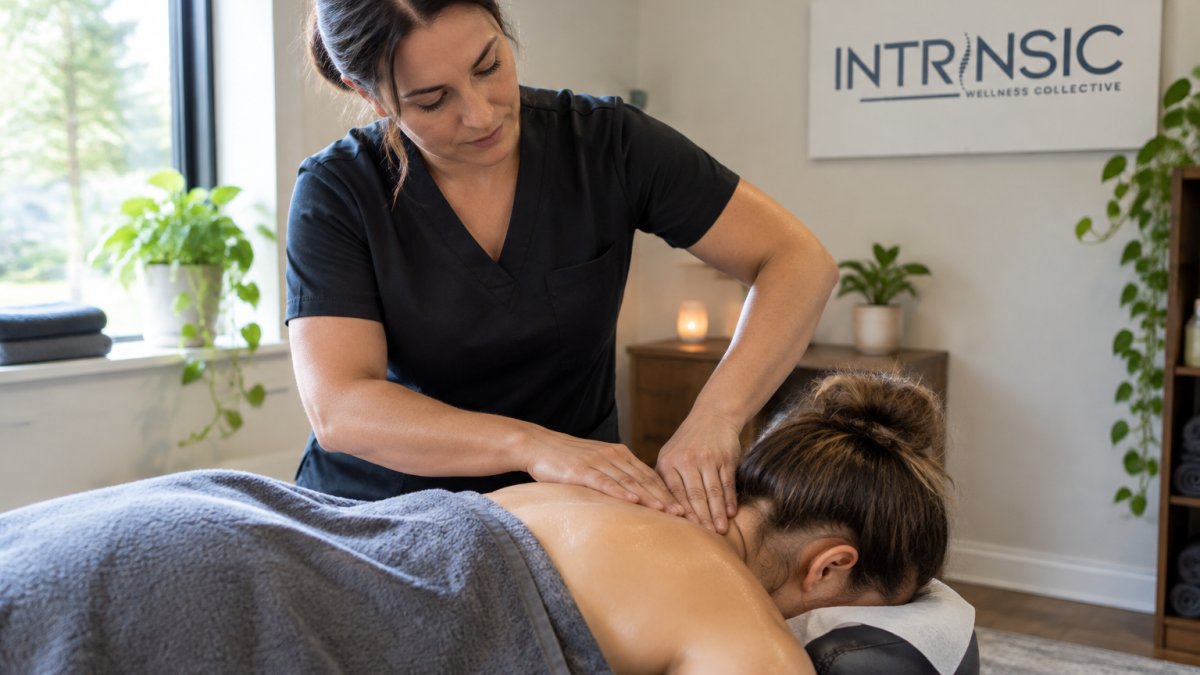
Massage therapy for neck pain targets the muscles that desk work tightens most: the upper trapezius, levator scapulae, and suboccipitals. It relieves tension and improves range of motion, though the effect on chronic pain is usually temporary without posture changes alongside it.
Some office workers schedule sessions every two to four weeks during flare-ups, tapering as mobility improves. A monitor at eye level and a mid-afternoon stretch break can be combined with this.
Watch out: booking deep tissue work on an acutely inflamed neck can leave you sorer for a day or two. Start lighter and let the therapist adjust.
Chiropractor vs Physical Therapist: Which Fits Your Situation?
A chiropractor and a physical therapist often treat the same conditions from different angles. Chiropractors commonly use spinal adjustment and manual techniques; physical therapists commonly focus on strength and movement patterns for longer-term function.
Choose based on your goal:
- Acute flare-up, want relief now: chiropractic care or massage
- Recurring pain tied to posture or weakness: physical therapy
- Post-surgical or disc-related: physical therapy first, with medical clearance
Many patients do best with both, staggered so the relief work supports the rehab work. A good provider will tell you when the other option fits better.
Where Alternative Care Fits in Central Virginia
Central Virginia offers a genuine mix of the best chiropractic alternatives in central in Virginia, from hospital-based rehab to independent holistic practices. The right fit depends on whether you want a single modality or a coordinated plan that combines several.
For residents in Charlottesville, Crozet, or Keswick, drive time matters as much as technique. A clinic you can reach in fifteen minutes is one you will actually keep visiting.
If you are looking for a local provider who offers chiropractic care alongside other therapies, you can contact us to learn what each service involves before booking.
Costs, Insurance, and Who Should See a Doctor First
Cost and coverage vary widely by modality and plan, and the differences matter more than most guides admit. Physical therapy is often covered when medically necessary, usually after a referral and sometimes with a visit cap. Massage is sometimes covered for injury but rarely for maintenance. Acupuncture coverage is limited on many plans and often requires a diagnosis. Chiropractic benefits depend on your policy, and self-pay practices quote rates directly rather than through insurance.
A practical way to compare value is to ask what a full course costs, not what a single visit costs. Pricing depends on the type of care and the number of visits, so ask for a written plan with a review date to understand the total before committing.
Questions to ask any provider before booking:
- What does the first visit include, and what is the total charge?
- Is there a per-visit rate, a package rate, or a plan-based fee?
- How many visits does a typical course involve, and what happens at the review point?
- Do you coordinate with my primary care doctor or provide records I can share?
- What improvement should look like, and when should we stop if it does not happen?
Because we operate as a self-pay practice, we quote rates directly rather than through insurance. You can view our care rates and read a fuller breakdown of out-of-pocket chiropractic costs before deciding what fits your budget.
See a doctor first if you have:
- Numbness in the groin or inner thigh
- Loss of bladder or bowel control
- Progressive weakness in a leg
- Pain after significant trauma
- Unexplained weight loss with back pain
- Fever or chills alongside back pain
Those signs point to something that needs medical evaluation, not manual therapy. A review published by Edzard Ernst in ScienceDirect also noted that the evidence did not clearly show chiropractic as more cost-effective than physiotherapy, which is worth knowing when you weigh value. The practical takeaway is to compare total course cost and expected review points across options, not just the price of a single session.
How to Choose the Right Care for Your Pain
Start with your symptoms, then match them to a modality, then check credentials and cost. A provider who explains the plan, sets a review point, and tells you when to stop is worth more than one who promises a fixed number of visits.
Use this checklist before you book:
- Confirm the provider's license and training
- Ask what the first visit includes and what it costs
- Ask for a written treatment plan with a review date
- Confirm whether they coordinate with your doctor
- Ask what improvement should look like and when
The VA Whole Health chiropractic care resource describes how treatment frequency and clinical outcomes are tracked, which is a useful benchmark for the questions to ask any provider.
When you are ready to talk through your options with a team that listens first, you can book an appointment with our clinic.
Finding relief should not mean guessing between five therapies or committing to an open-ended visit schedule. Intrinsic Wellness Collective combines chiropractic adjustments, massage therapy, acupuncture, cold laser therapy, and spinal decompression under one roof, with individualized care plans built around your goals and over 19 years of clinical experience behind them. Get started with Intrinsic Wellness Collective and build a plan that fits your body and your budget.
Frequently Asked Questions
What can I do instead of chiropractic adjustment?
Several options exist, and which one fits depends on your symptoms. Physical therapy builds strength and mobility through guided exercise. Massage therapy eases muscle tension, particularly in the neck and shoulders. Acupuncture is another option some people try for pain relief. Each approach has different evidence behind it, so ask a qualified provider which one suits your situation. If your pain follows an injury, or comes with numbness or weakness, get a medical evaluation before starting any treatment.
Can physical therapy help back pain without chiropractic adjustments?
Physical therapy for back pain focuses on movement, strengthening, and posture rather than spinal adjustment. A therapist assesses how you move, then builds a plan around exercises you can repeat at home. That makes it a practical fit for desk workers who cannot step away from their jobs. Ask about the expected number of sessions and what progress looks like at each stage, so you can judge whether it is working for you.
Is massage therapy a real alternative for neck pain?
Massage therapy for neck pain targets the muscles and connective tissue that tighten during long hours at a desk. Many people find it eases tension and improves how freely they can turn their head. It works best as part of a broader plan, paired with posture changes and movement breaks. Tell your therapist about any disc issues, recent injuries, or conditions affecting your joints before your first session.
When should I see a doctor instead of a chiropractor or alternative provider?
See a doctor first if pain follows a fall or accident, comes with numbness, weakness, or loss of bladder or bowel control, or keeps you awake at night despite rest. Unexplained weight loss, fever, or pain that steadily worsens also warrant a medical visit. These signs can point to something that needs diagnosis before any hands-on treatment. Once a doctor rules out serious causes, alternative care can be part of your recovery plan.